
Cultivating Self-Compassion: Nurturing Inner Kindness for Mental Well-being.
INTRODUCTION.
In a world that often emphasizes achievement, perfection, and comparison, practicing self-compassion is like giving yourself a warm embrace in a stormy sea. Self-compassion is one of the greatest and most thoughtful gifts we can give ourselves and our loved ones. It's about extending kindness, comforting, soothing, and motivating ourselves with encouragement when we are suffering, failing, or feeling inadequate. In this blog post, we'll explore the concept of self-compassion, its profound benefits for mental well-being, and practical strategies for nurturing inner kindness in our daily lives.
TABLE OF CONTENTS
1. Introduction
2. Understanding Self-Compassion
3. The Benefits of Self-Compassion
4. Cultivating self-compassion: Tips and techniques
5. Overcoming Common Obstacles to Self-Compassion
6. The Link between self-compassion and mental health.
7. Conclusion
UNDERSTANDING SELF-COMPASSION.
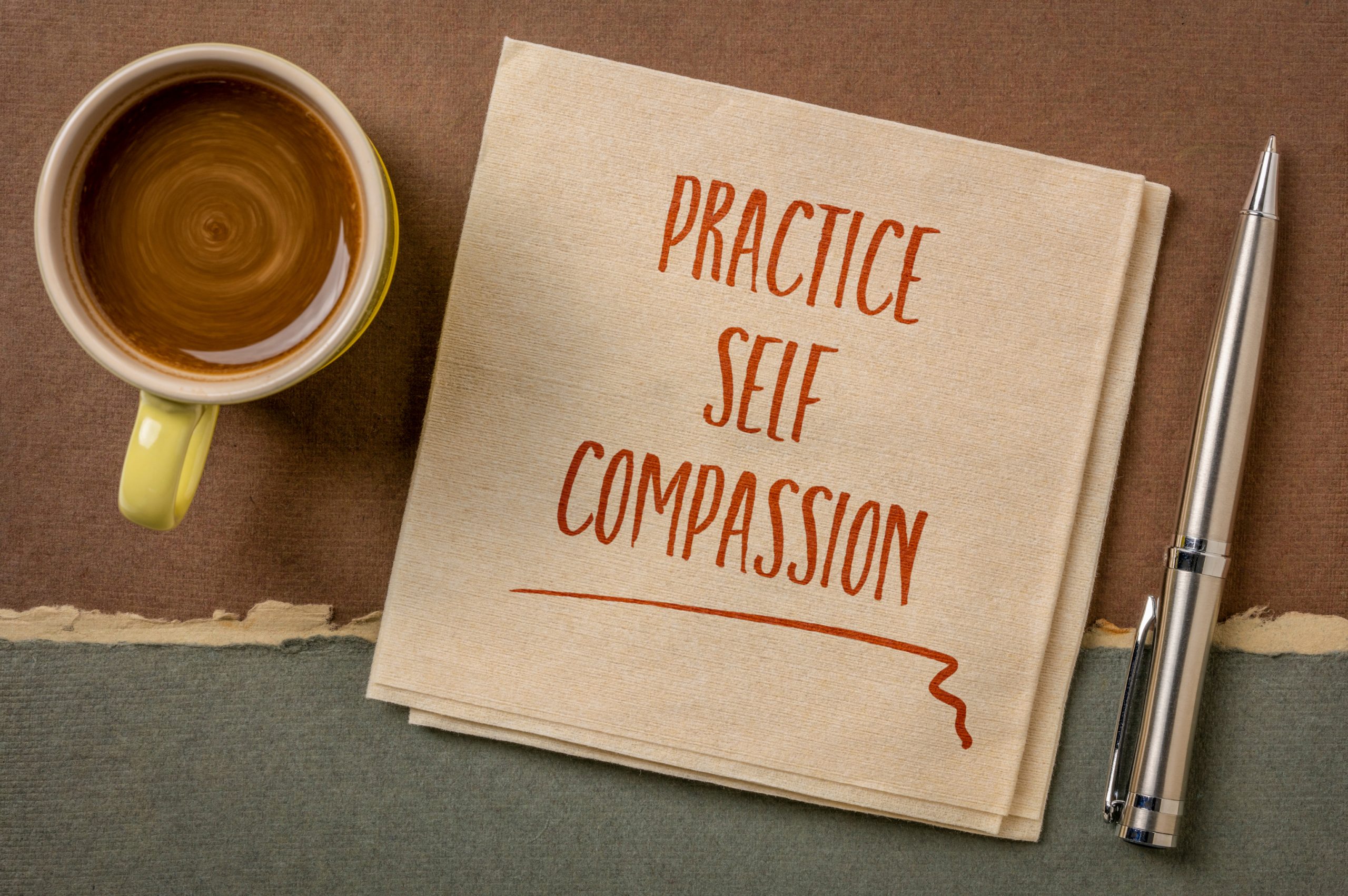
I define self-compassion as being a little easy on yourself, understanding, and patient. Imagine you have been working on a project for weeks, pouring your heart and soul into it. However, the project does not achieve the desired results, receives a lot of criticism, and goes through a lot of challenges. Or let's say you are going through a tough breakup. In most situations, when faced with similar situations, we tend to blame ourselves and treat ourselves unfairly, but you can practice self-compassion. Rather than berating yourself for the challenges faced or the criticism received, you can acknowledge that challenges are part of the learning process, take a break and recharge, and maybe seek advice from friends and mentors. When going through a tough breakup, you can practice self-compassion by validating your emotions and grieving the loss, or you can engage in self-care and remind yourself that it is okay to feel hurt and that healing takes time. Every time you treat yourself with self-compassion when you face a challenge, it nurtures your emotional well-being and helps you move on with greater resilience.
THE BENEFITS OF SELF-COMPASSION:
Research done over the last decade has shown that practicing self-compassion has numerous benefits for our well-being.
i. Reduces stress - we approach difficulties with understanding and kindness,
rather than harsh criticism, fostering a sense of calmness.
ii. We can understand ourselves deeper, allowing us to recognize our humanity with empathy, which in turn creates self-awareness.
iii. It encourages us to learn from setbacks with self-acceptance, which leads to
continuous growth and development at a personal level.
iv. Our perception is improved by shifting the focus from self-judgment to self-
kindness. We get to see things more clearly and objectively.

CULTIVATING SELF-COMPASSION: TIPS AND TECHNIQUES
Self-compassion is a skill that can be developed with practice. Here are some effective techniques for nurturing inner kindness and compassion:
i. Write a letter to yourself.
ii. Forgive yourself
iii. Remind yourself that it is okay to think/want certain things.
iv. Do things for yourself that are kind, e.g. having a self-care day. (my favorite)
v. Practice positive self-talk.
vi. Let go of perfectionism.
vii. Allow yourself to have a low day instead of downshifting.
OVERCOMING COMMON OBSTACLES OF SELF-COMPASSION.
Despite its profound benefits, practicing self-compassion can sometimes be challenging, especially for those accustomed to self-criticism and perfectionism. When I find myself caught in self-criticism or the trap of perfectionism, I often recall the wise words of Min Yoongi (Suga of BTS): "You are born to be real, not perfect". That's normally enough for me to be gentler with myself. We are humans, and humans evolved to act compulsively to get rid of bad feelings for survival. So a little kindness and understanding go a long way.

THE LINK BETWEEN SELF-COMPASSION AND MENTAL HEALTH.
Self-compassion acts as a buffer against negative emotions and psychological distress by fostering kindness and understanding toward oneself. Self-compassion improves our mental health by reducing symptoms of anxiety, depression, and self-criticism, promoting feelings of worthiness and well-being. Individuals who practice self-compassion tend to experience lower levels of anxiety, depression, and stress. In contrast, a lack of self-compassion is often associated with higher levels of self-criticism, perfectionism, and psychological difficulties. Therefore, cultivating self-compassion is essential for maintaining and improving mental health.
CONCLUSION.
Embracing self-compassion is like embarking on a journey of self-exploration, healing, and progress. When we treat ourselves with kindness and understanding, as we face life's twists and turns, let's remember to be as compassionate with ourselves as we are with others. It's through accepting our humanity that we discover real strength and inner peace.
Hilda mwangi
Author
A young lady dedicated to self-development and mental wellness and here to empower and support you on your journey.
+254739512162
Categories
Newsletter
Subscribe now to get daily updates.